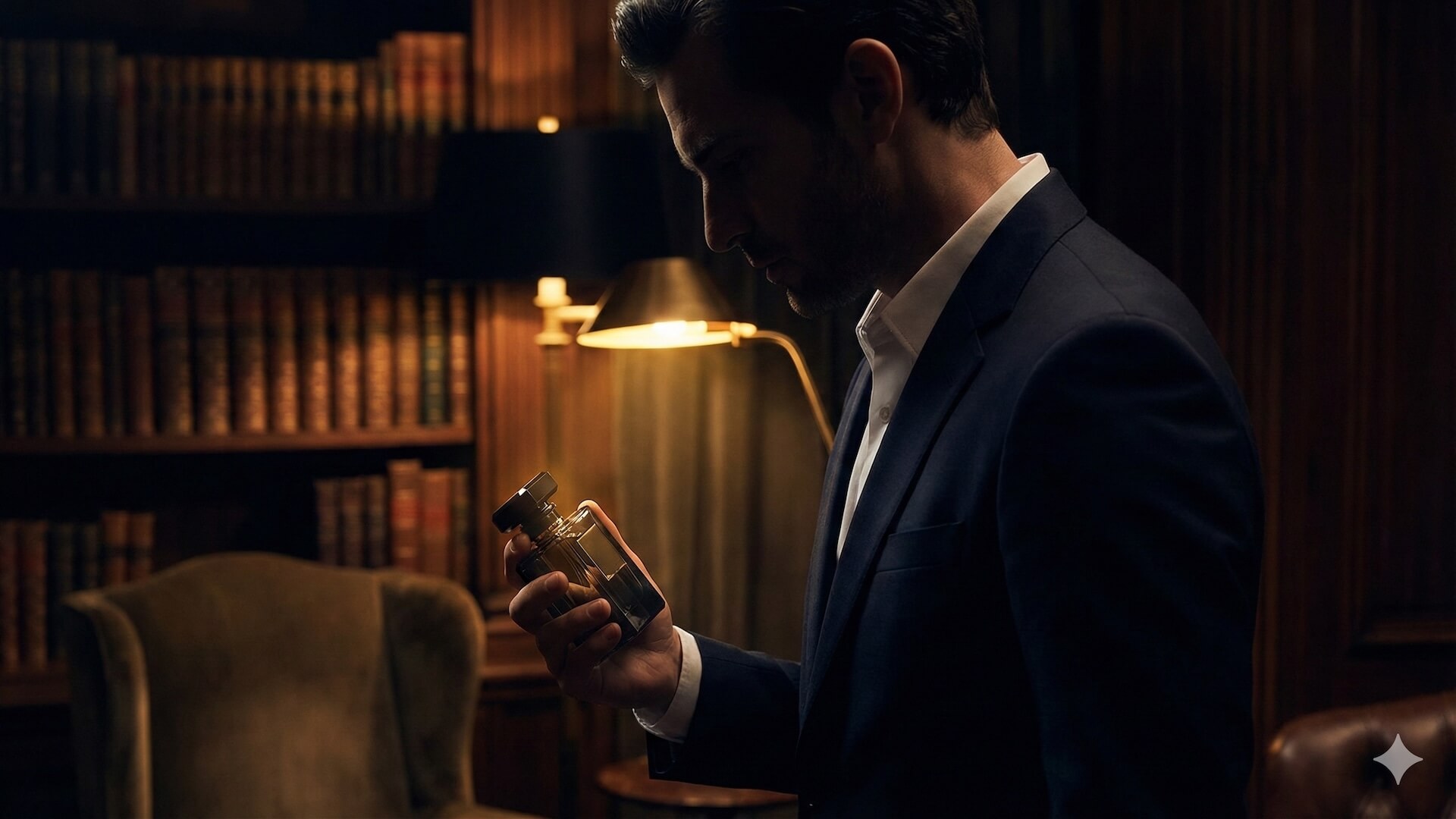



In 2021, h2\ worked alongside a multinational cosmetic company to devise a strategy for transitioning one of their key fine fragrance brands to a refillable model. While the refillable fragrance bottle is hardly a technological breakthrough, it was never widely adopted by the industry given the status that the fragrance bottle retains in the luxurious fragrance experience. When it was made available to consumers, it was more likely to be exploited in-store, such as for the Thierry Mugler line of fragrances, rather than via an at-home refillable system. However, increasing consumer demand for more sustainable solutions that minimize the carbon footprint of the fragrance experience is forcing manufacturers to re-evaluate the value proposition of single use bottles and is altering consumer acceptability for refillable alternatives.
In order to understand the potential for transitioning to a refillable model, h2\ performed extensive quantitative research and modelling that allowed for a deep understanding on several fronts, including the adoption potential of its client base, as well as the wider market; the willingness-to-pay for both the refillable bottle and the refills themselves; the impact on brand loyalty and switching behaviour given this new paradigm; and expectations regarding the usage experience and the materials of both the bottle and the refills.
This work helped shed light on the opportunities and risks of adopting such a system and the economic implications for transitioning to this type of business model.
L'intelligence artificielle offre aux marketeurs des outils plus intelligents pour analyser le comportement des consommateurs, optimiser les dépenses et adapter les campagnes en temps réel, conduisant à des stratégies à la fois très ciblées et incroyablement efficaces.


L'intelligence artificielle offre aux marketeurs des outils plus intelligents pour analyser le comportement des consommateurs, optimiser les dépenses et adapter les campagnes en temps réel, conduisant à des stratégies à la fois très ciblées et incroyablement efficaces.
L'intelligence artificielle offre aux marketeurs des outils plus intelligents pour analyser le comportement des consommateurs, optimiser les dépenses et adapter les campagnes en temps réel, conduisant à des stratégies à la fois très ciblées et incroyablement efficaces.
L'intelligence artificielle offre aux marketeurs des outils plus intelligents pour analyser le comportement des consommateurs, optimiser les dépenses et adapter les campagnes en temps réel, conduisant à des stratégies à la fois très ciblées et incroyablement efficaces.
%202.webp)
En combinant l'expertise humaine avec des capacités avancées d'IA, nous fournissons des insights à la fois précis et exploitables.